Film Transfer
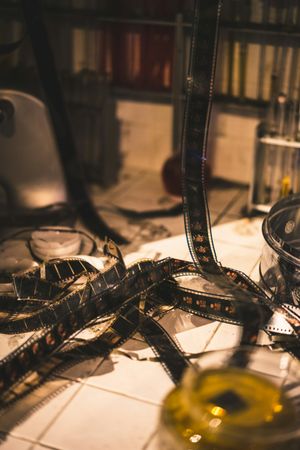
Film is the very first medium upon which moving images were recorded. It preserves memories from over a century ago, while also providing an iconic look that some modern digital cameras try very hard to emulate today.
While film, when well preserved, can hold precious memories longer than any other format, it is also extremely fragile. Many film reels have been lost due to mold, chemical reactions (vinegar syndrome), extreme environmental conditions, and so on.
As such, it's important to transfer film stock as soon as possible before any further degredation can occur. It also needs be transferred as gently as possible to prevent damage occuring during the transfer.
At Flawless, we've built a transfer process we're quite proud of to help you preserve your precious film before its too late.
Our process
All film is hand cleaned using soft, lint-free cotton clothes and specific, film-safe cleaners like Filmrenew or Vitafilm depending on condtion. All splices are checked and bad splices are repaired.
Film is scanned frame-by-frame, which prevents ghosting or blended frames that can occur with cheaper projector-based scans. Basic color correction and exposure adjustments are made during the scan, and then frame stabilization and cropping are applied after all scanning is complete.
Film grain is intentionally kept in order to preserve the original look of the film stock, although it can be removed if desired as part of our restoration services.
Our equipment
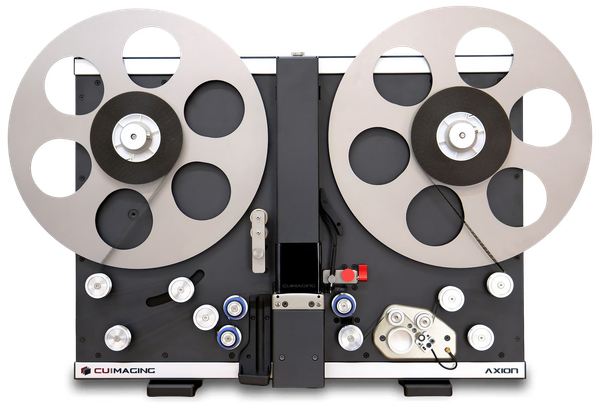
We're proud to use the Axion film scanner, built by CUImaging in Austin, Texas. It's a high definition, frame-by-frame film scanner for all of our supported formats. It supports scanning resolutions up to 4k, optical and magnetic audio formats, and it's sprocketless design prevents damaging fragile film stock.
Supported Film Formats
- 8mm
- Super 8
- 16mm
Supported Film Audio Formats
- Optical
- Magnetic